Posts
Axle Weighing Differences – Which Is Right?
Read More

For fleet operators, how axle weight is distributed across the vehicle is just as important as the overall weight. An overloaded axle can create safety, compliance and operational issues even when the vehicle’s gross weight appears to be within its permitted limit.
Under the Road Traffic Act 1988 and the Road Vehicles (Construction and Use) Regulations 1986, operators must guarantee that vehicles are completely safe and within legal limits before driving on public roads.
Yet there are still plenty of misconceptions around axle weighing, leading to businesses still facing fines and vehicle damage. These misconceptions include what a weighbridge tells you, to whether portable pads can be relied upon, and whether weighing needs to be carried out every time a vehicle leaves the yard.
We’ve picked out five common myths, explaining what fleet operators really need to consider.
Myth 1: Being Under Gross Vehicle Weight Means Your Fleet is Legal

This is one of the most common and financially damaging misconceptions when it comes to vehicle loading.
The Reality: A vehicle can be below its maximum Gross Vehicle Weight (GVW) or Gross Train Weight (GTW) and still exceed the permitted weight on an individual axle or axle group.
That’s because the total weight of the vehicle doesn’t tell you how that weight is distributed.
For example, in the UK, a twin tyre driving axle with air suspension is strictly limited to 11.5 tonnes, and non-driving axles are capped at 10 tonnes. Exceeding these individual tolerances triggers hefty fines, even if the total vehicle weight complies with regulatory limits.
The Cause: Uneven load distribution, poor positioning of heavy goods or changes in the load during multi-drop routes can all result in excessive weight being placed on a particular axle.
A vehicle might therefore leave a depot with a perfectly acceptable gross weight, but still have an overloaded drive axle or trailer axle.
The Impact: Axle overloads can lead to enforcement action, safety concerns, increased vehicle wear and potentially costly disruption to the operation.
The Driver and Vehicle Standards Agency (DVSA) consider individual axle and axle-group limits when carrying out roadside enforcement. Staying below the gross vehicle limit does not automatically mean every axle is compliant.
Where AWM helps
This is where axle pad weighing provides information that a simple gross vehicle weight cannot.
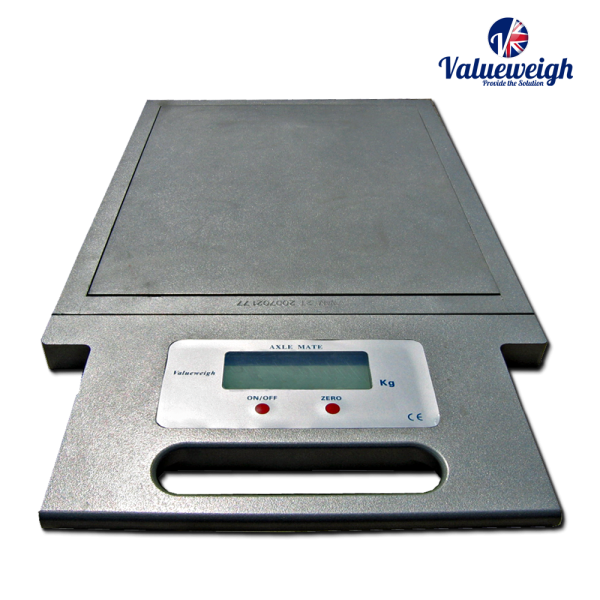
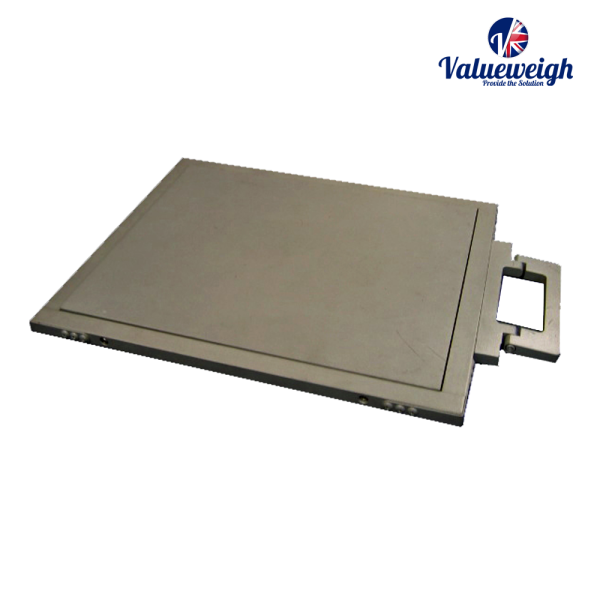
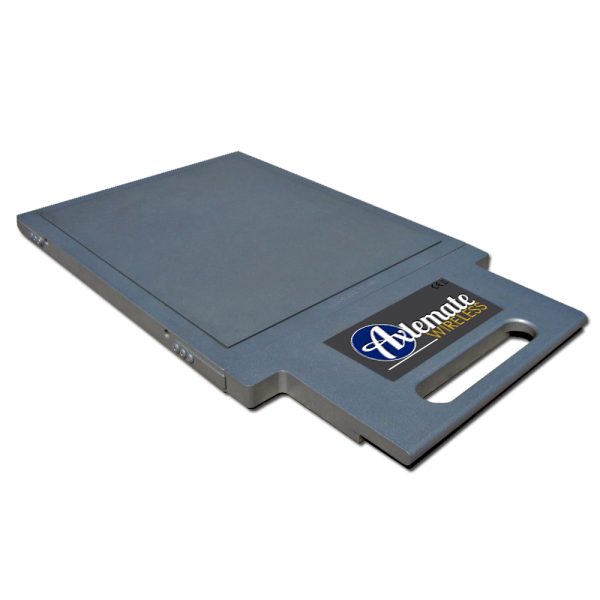
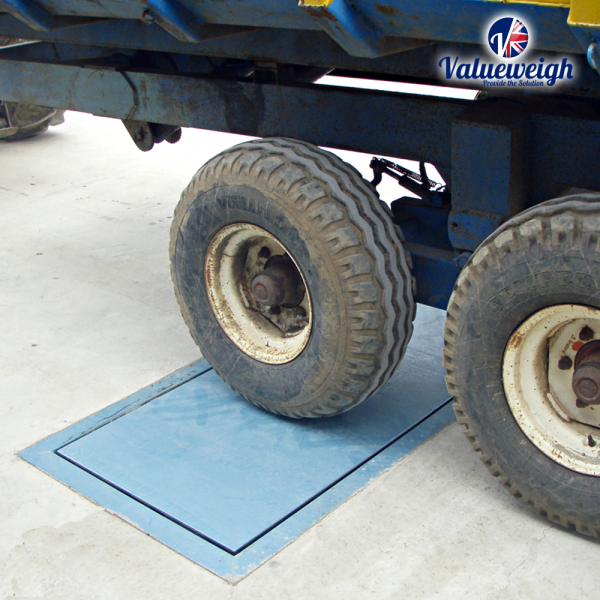
AWM’s Valueweigh Wheel & Axle Pad (VWAP) and Valueweigh Wireless Axlemate Weigh Pad (VWAM) axle pads allow operators to check individual axle loads before a vehicle leaves site, helping identify uneven weight distribution while there’s still time to do something about it.
Myth 2: A Weighbridge Tells You Everything You Need to Know
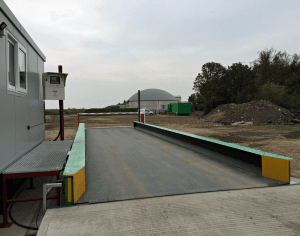
A weighbridge is a familiar sight at many depots and logistics operations, but total vehicle weight isn’t the same as understanding axle distribution.
The Reality: A weighbridge provides the overall weight of the vehicle. Axle weighing goes one step further by showing how that weight is distributed across the vehicle.
For example, knowing that a vehicle weighs 38 tonnes tells you how much weight is being carried.
Knowing the weight on each axle tells you where that weight is being carried.
Both pieces of information can be useful, depending on the application.
The Cause: It’s easy to assume that if the total weight is within the permitted limit, the vehicle must be correctly loaded.
However, two vehicles with exactly the same gross weight can have very different axle-weight distributions depending on where the load has been positioned.
The Impact: Relying solely on gross vehicle weight can therefore mean an axle overload isn’t identified until the vehicle is already on the road.
Where AWM helps
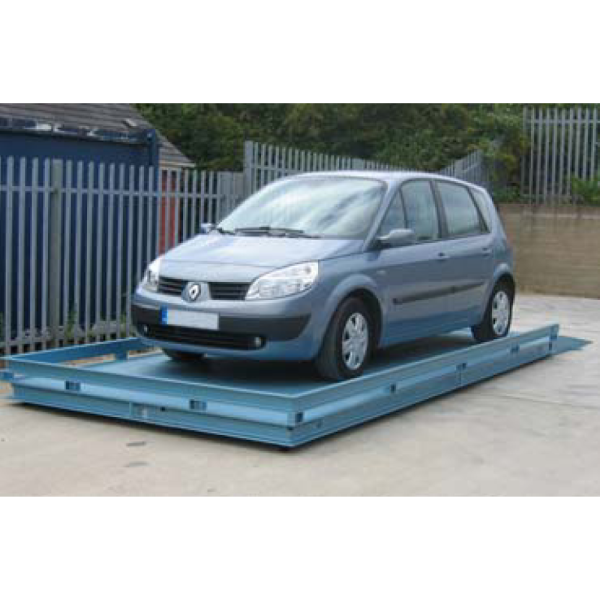
AWM supplies vehicle weighing platforms, both static axle weigh pads and dynamic axle weighing (in-ground axle weighers), allowing operators to choose the approach that best fits their operation.
Portable axle weigh pads provide a flexible way to check individual axles statically, while dynamic systems can monitor axle weights as a vehicle passes over the weighing platforms, without the need to stop.
We can ensure you choose the technology that gives you the information you need in the most efficient way for your business.
Myth 3: Portable Axle Weigh Pads Are a Cheap Replacement for Fixed Weighbridges
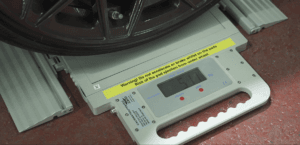
Portable axle weighing systems are sometimes viewed simply as a lower-cost alternative to a weighbridge.
The Reality: While large, fixed weighbridges remain the gold standard for absolute gross weight precision, portable axle weigh pads provide unparalleled convenience and efficiency for on-the-go axle checks.
Summing individual axles can be used for total gross weight checks too but inaccuracies in individual axle weights will be combined in the total.
The Value: Attempting to route every vehicle to a fixed weighbridge for quick checks introduces major logistical bottlenecks.
Portable pads allow operators to quickly assess vehicle load balance directly in the yard, preventing overloaded axles before the vehicle leaves the site.
The Benefit: Pads bridge the gap between compliance and speed. By facilitating fast, on-the-spot individual axle checks, they catch uneven load distributions that a standard weighbridge might overlook until the entire vehicle is already loaded and staged.
Portable pads allow operators to bring the weighing equipment to the vehicle instead.
Where AWM helps
AWM’s portable axle weighing systems are designed for exactly this kind of flexibility.
From checking vehicles before dispatch, investigating an unusual load distribution or carrying out routine fleet checks, portable pads can provide a practical weighing solution without the infrastructure required for a permanent weighbridge.
Myth 4: Dynamic Weigh-In-Motion Systems Are Too Complicated for Quick Yard Checks
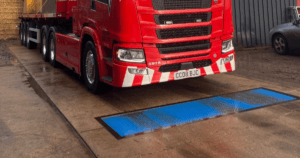
The idea of weighing a vehicle while it’s moving can sound complicated.
In practice, it can be one of the simplest ways to build weighing into a busy vehicle operation.
The Reality: Modern dynamic axle weighing systems are optimised for internal fleet management and compliance checks saving many hours a month and providing an efficient way of checking every vehicle in the fleet.
The Engineering: These systems utilise advanced high-speed load tracking technology to calculate individual axle weights as the vehicle rolls slowly across the platform (typically around 5km/h). Smart filtering software smooths out the minor physical vibrations caused by low-speed movement and provides accurate axle and gross vehicle weights. The platform can be placed in the most convenient location for your operation such as on the access route to site or at the entrance to the main transport hub.
The Efficiency: While most are not intended for legal-for-trade commercial transactions, dynamic systems act as the ultimate preventative screening tool. Drivers do not need to stop and start for each axle, allowing high-volume depots to screen dozens of vehicles rapidly and protect themselves against DVSA road enforcement. Email reporting and ticket printouts provide peace of mind and traceability.
Where AWM helps
AWM’s dynamic axle weighing systems are designed for operations where speed and throughput are important.
Vehicles travel slowly over the weighing platforms while the system captures the axle weights and calculates the overall vehicle weight. Traffic lights, texts or buzzers can be used to alert the driver to any overloaded axles in real time.
Dynamic weighing isn’t the right solution for every application. Vehicle speed needs to be controlled, and certain loads – such as unbaffled liquids where the payload can move during weighing require consideration.
That’s why understanding the application is just as important as choosing the equipment.
Myth 5: Annual Calibration Means Your Weighing System Will Always Be Accurate
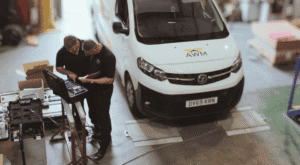
Most fleet operators responsibly have their axle pads checked and calibrated once a year, which is an excellent baseline for compliance. However, relying solely on that yearly milestone overlooks what happens in between.
The Reality: While an annual calibration cycle keeps your documentation current, regular maintenance and proactive interim checks are what safeguard day-to-day data integrity.
The Issue: Harsh yard conditions, extreme temperature fluctuations, heavy impact shocks, and off-centre loading take a continuous physical toll on high-precision load cells throughout the year.
The Best Practice: A continuous health check routine that includes visual inspections and cleaning, prevents gradual measurement drift.
Keeping a rigorous maintenance and calibration schedule ensures your equipment performs accurately and reliably.
Where AWM helps
AWM’s support doesn’t end after a sale of our axle weighing equipment.
Our service and calibration team help customers keep their weighing systems operating accurately and reliably through planned maintenance, calibration and servicing.
Choosing the Right Axle Weighing Solution
Static and dynamic axle weighing systems each have their own advantages. The right choice depends on how your vehicles operate, how frequently you need to weigh them and how quickly you need to carry out the checks.
| Feature | Axle Weigh Pads | Dynamic Axle Weighing Systems |
| Operational State | Complete stop required per axle. | Continuous slow rolling motion. |
| Throughput Speed | Slower; ideal for spot checks and lower volumes | High; ideal for regular checks and busy depots |
| Flexibility | Highly portable and can be moved between locations | Permanent installation |
| Primary Use Case | Spot checks, load balancing and flexible axle weighing | Rapid internal screening and routine fleet checks |
| Installation | Minimal; requires a suitable level surface | Requires suitable site preparation and installation |
| Best suited to | Operators needing flexibility | Operators needing speed and throughput |
Maximising Weighing Accuracy in Your Yard
When using portable axle pads, ensuring where and how you use them is just as important as the vehicle’s weight. Here are a few tips on best practice when using axle pads.
How AWM Can Help
Every operation is different, so there isn’t one axle weighing solution that suits everyone. From portable axle pad systems for regular spot checks, a dynamic, in-ground system for weighing vehicles quickly as they pass through your yard, to a complete vehicle weighing platforms and weighbridges, AWM will help you find the right approach for your operation.
And it won’t end there. We will also support you with calibration, servicing and ongoing maintenance, helping you get reliable results from your weighing equipment for years to come.
Ready to discuss further? Fill in the form below, and we will be in touch to discuss your vehicle weighing requirements.
View the full Vehicle Weighing Range.
Already own axle pads? Book a Service & Calibration