Posts
QBoid for Mobile Dimensioning – When a Stationary Scanner Isn’t...
Read More

When it comes to weighing vehicles, there are many axle weighing differences – no single solution suits every site, vehicle, or application.
A small fleet looking for quick overload checks has very different requirements from a busy aggregates site weighing dozens of HGVs every day. Choosing the right equipment can make a significant difference to accuracy, traffic flow, installation costs and day-to-day efficiency.
But what is the difference between axle pads, Axlemates, axle weighers and weighbridges – and which one is right for you?
| Solution | Best suited to | Portable? | Typical advantage |
|---|---|---|---|
| Axle weigh pads | Spot checks, enforcement, temporary weighing | Yes | Flexible and easy to deploy |
| Axlemates | Fast portable vehicle checks | Yes | Wireless, low-profile and simple to use |
| Axle weighers | Busy sites and high vehicle throughput | No | Fast static or dynamic weighing |
| Weighbridges | Full vehicle weighing and transaction management | No | Complete vehicle weight and reporting |
The important point is that these systems are not necessarily competing technologies. They are designed to solve different weighing problems.
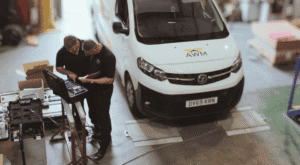
Axle weigh pads are one of the most flexible options for vehicle weighing.
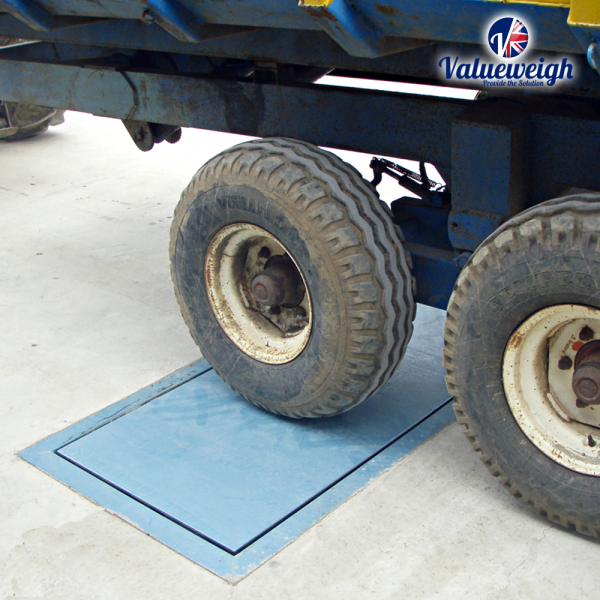
Rather than requiring a permanent installation, portable pads are positioned underneath the vehicle’s wheels or axles. This makes them particularly useful when weighing needs to take place at different locations or when a business does not want to invest in a permanent weighbridge.
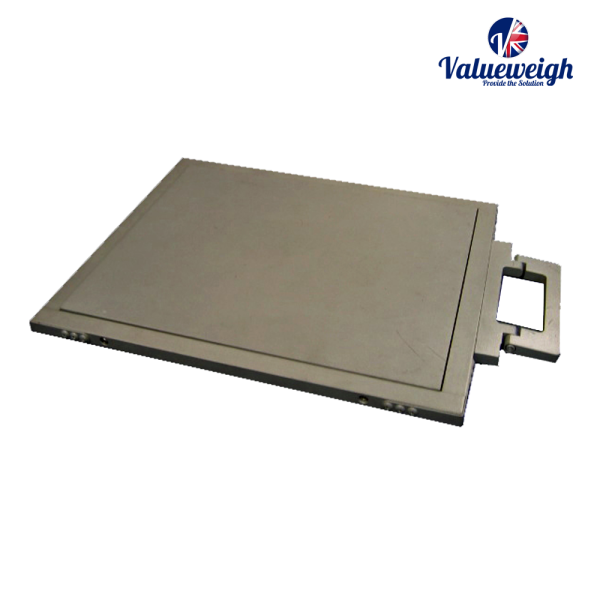
AWM’s Valueweigh Wheel and Axle Weigh Pads are designed as portable, ultra-low-profile weighing equipment at just 19mm high. They are available in different configurations and can be used for vehicles ranging from smaller vehicles through to larger commercial vehicles.
The main benefit is flexibility.
They can be useful for:
The axle pads are used in conjunction with a weight display allowing the summation of pads and axles with the option to enter a vehicle identifier and receive a print out at the end of the weighing.
For businesses that need weighing equipment they can move between locations, axle pads can therefore be an extremely practical option.
So, what is a Valueweigh Axlemate?
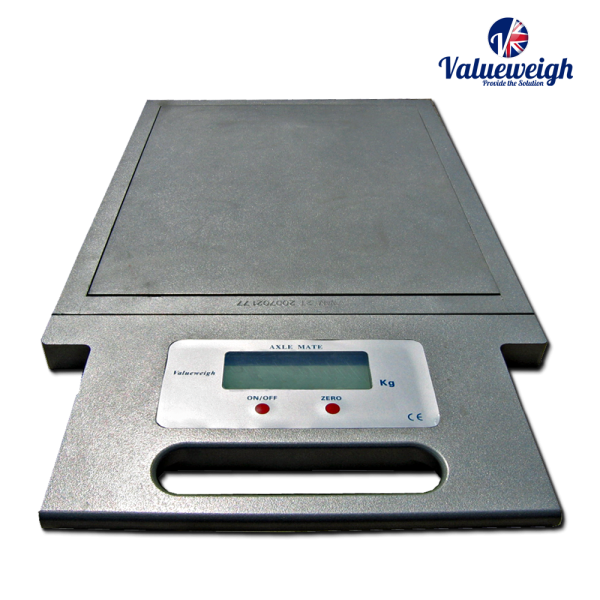
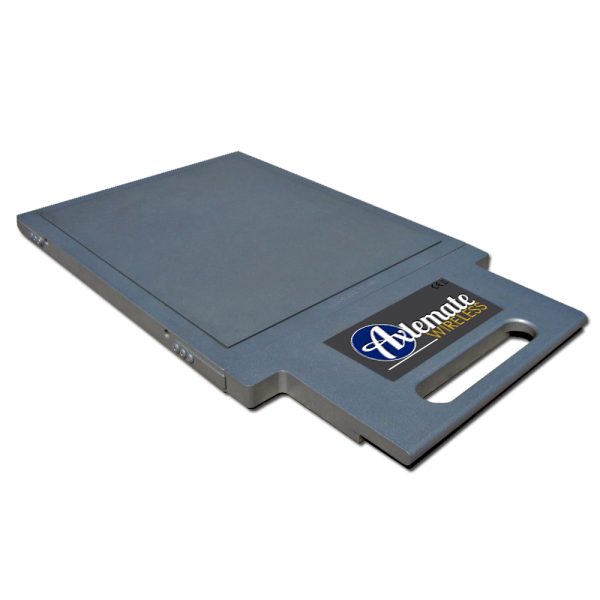
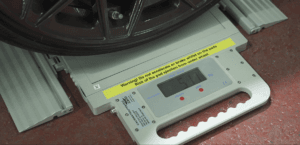
The Valueweigh Axlemate is AWM’s portable, battery-powered axle pad with a built-in weight display. It is designed specifically for quick vehicle weight checks without requiring a permanent installation.
One of its biggest advantages is its ultra-low 25 mm profile. The pads are constructed from high-strength, aircraft-grade aluminium alloy and use battery power, making the system lightweight, robust and portable.
Capacities range from 2,000 kg to 20,000 kg, depending on the model, with different weighing area dimensions available to accommodate different wheel sizes.
If you are looking for a portable, low-profile system that can be deployed quickly, the Axlemate is worth considering.
It is particularly suited to logistics, couriers, hauliers and organisations that need to carry out vehicle weight checks without building a permanent weighing installation.
Portable pads aren’t always the best solution.
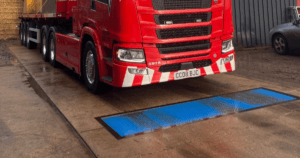
If vehicles are regularly passing through a fixed site and weighing needs to happen quickly, an in-ground axle weighing platform can provide a more permanent and automated approach.
AWM’s Valueweigh In-Ground Axle Platform Scale is designed for high-throughput environments where vehicles need to be weighed without unnecessarily slowing traffic. It can perform both static and dynamic axle weighing, with models available up to 25,000 kg per axle.
The system is installed into a pit and can be combined with weighing software and indicators to create a more automated vehicle weighing process.
This is an important consideration.
Static axle weighing involves the vehicle stopping so that the axle can be weighed.
Dynamic axle weighing allows the vehicle to travel across the weighing platform while the system captures the axle weights.
For busy sites, dynamic weighing can help maintain traffic flow. AWM’s dynamic axle weighing software can automatically capture axle weights, calculate speed and provide operator guidance, with options for RFID, reporting and traffic control.
This makes an axle weigher particularly attractive to sites where vehicle throughput is a priority.
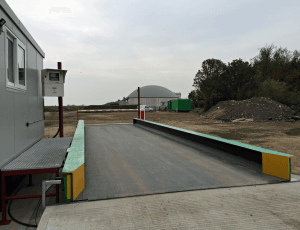
At the other end of the scale is the traditional weighbridge.
A weighbridge is designed to weigh the complete vehicle rather than individual axles alone. It is commonly used in industries where accurate gross and net vehicle weights are central to commercial transactions, stock control, or waste reporting.
For example, a weighbridge can be used when a vehicle arrives loaded, is weighed, unloads or loads material, and then returns to determine the difference.
This makes weighbridges particularly useful for:
But modern weighbridges are about much more than the weighing platform itself.
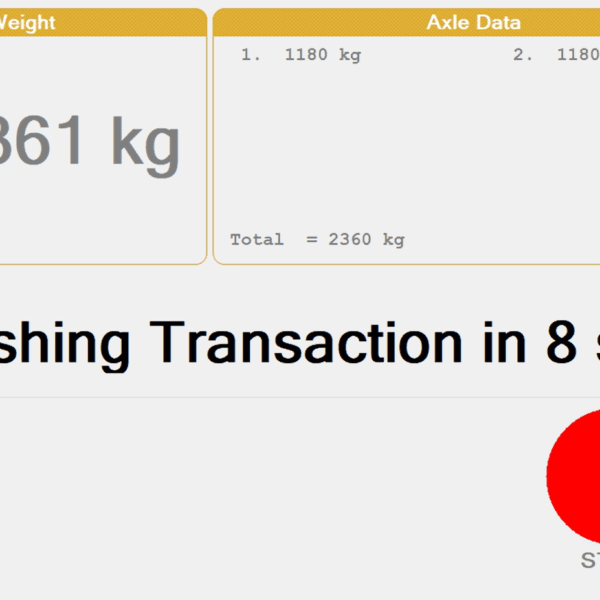
AWM offers weighbridge software capable of managing vehicle transactions, databases, tickets and reporting, with options for manned or unmanned operation. More advanced systems can integrate with barriers, traffic lights, ANPR cameras, card readers and remote displays.
This can transform a weighbridge from a simple weighing device into an integrated vehicle management system.
This is one of the most important decisions to make.
If your priority is checking individual axle loads quickly, an axle weigher may be the better option.
If you need to know the complete weight of a vehicle and manage a full weighing transaction, a weighbridge is generally more appropriate.
There can also be situations where an axle weighing system can provide weighbridge-style functionality. AWM’s axle weighing software, for example, includes selectable modes for single-pass axle checks and two-pass operation.
The right choice depends on what you need the weighing system to achieve, not simply on choosing the largest or most expensive option.
A useful way to think about the options is to start with five questions:
If the equipment needs to move between locations, portable axle pads or Axlemates are likely to be the natural starting point.
Occasional checks may not justify a permanent installation.
If vehicles are being weighed continuously throughout the day, an in-ground axle weighing platform or weighbridge may provide a more efficient long-term solution.
If axle-by-axle information is important for checking axle limits or load distribution, axle pads or axle weighing platforms are specifically designed for this purpose.
If you need to record vehicle IDs, materials, customers, hauliers, gross and tare weights, tickets and reports, a weighbridge with suitable software may be the better choice. AWM’s weighbridge software supports configurable databases and reporting alongside both manned and unmanned operation.
For a basic weighing check, a simple indicator may be all that is required.
For a busy site, automation can make a major difference. AWM offers solutions incorporating RFID, ANPR, remote displays, traffic lights, barriers and automated reporting.
Whichever weighing system you choose, accuracy is only useful if the equipment is correctly maintained and calibrated.
AWM provides service and calibration for a wide range of weighing equipment, including weighbridges, axle weigh pads, vehicle scales and process weighing systems. Its service offering includes calibration and certification, repairs, performance checks, maintenance recommendations and emergency callouts.
For applications requiring approved weighing, AWM also provides Class III verification services and states that its ISO-approved service enables testing and certification of Class III weighing scales for trade use.
This is an important consideration when comparing equipment. The purchase price is only one part of the total cost of owning a weighing system.
There is no universal winner when comparing axle pads vs Axlemates vs axle weighers vs weighbridges.
Instead, each solution has a particular role:
Axle pads are flexible and portable.
Axlemates provide a particularly convenient portable solution for quick axle and wheel checks.
Axle weighers are well suited to permanent installations where axle weighing and high throughput are important.
Weighbridges provide a comprehensive solution when the complete vehicle weight, transaction history and reporting are required. They can be verified for legal for trade transactions.
The best system is ultimately the one that fits your vehicles, site, traffic levels, accuracy requirements and operational objectives.
AWM Limited has been providing weighing, software and automation solutions since 1979 and offers vehicle weighing equipment ranging from portable axle pads through to dynamic axle weighing and weighbridge solutions.
We offer a range of vehicle weighing solutions, from portable axle and wheel weigh pads through to in-ground axle weighing systems and complete weighbridge solutions.
Explore AWM’s vehicle weighing solutions.
If you’d like to discuss more about which option is right for your application, speaking to a weighing specialist before purchasing can help ensure that you invest in the right technology rather than simply buying more equipment than you need. Fill in the form below to talk to us today.